
Most Nairobi restaurants and hotels have a Facebook page. Very few of them are using it to fill tables or drive bookings.
The gap is not about posting. It is about knowing what actually works for hospitality businesses in Kenya - which content formats drive reach, which calls to action convert and how to turn a social media follower into a customer who books a room, reserves a table or calls to enquire about a conference.
This guide is based on what Jebilton Ventures has seen work (and not work) managing social media for Nairobi hospitality businesses. No generic social media theory - just what actually moves the numbers for restaurants, guest houses and conference facilities in this market.
Why hospitality social media marketing is different
Hospitality is a visual, emotion-driven category. A restaurant customer does not decide where to eat because they read a convincing paragraph. They see a photo of the food or a short video of the atmosphere, feel something and either pick up the phone or move on.
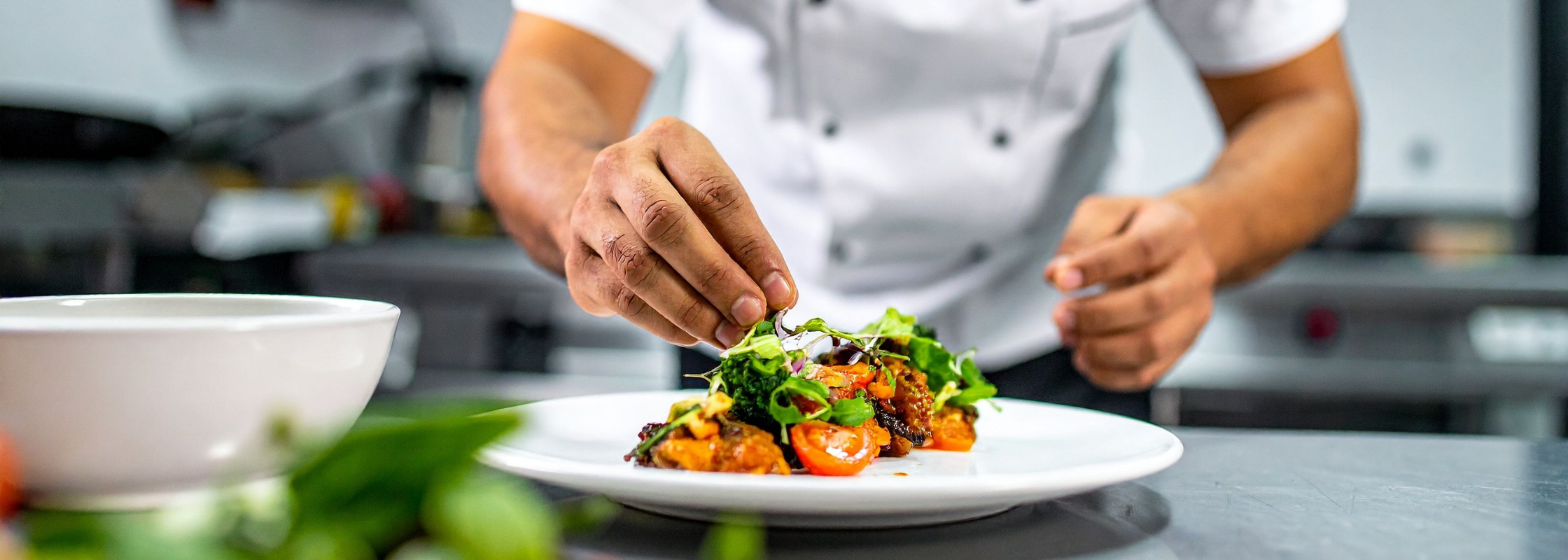
This means the quality and feel of your content matters more in hospitality than in almost any other business category. A generic stock photo of a meal will produce no reaction. A real photo of your chef plating a dish or a 30-second Reel of your rooftop at dusk, will stop a scroll.
The second difference is that hospitality customers make decisions based on trust and verification. Before a corporate client books your conference room for 80 people, they will check your social media for evidence that other people have used the space. Before a family books a weekend stay, they will look at your photos, read your reviews and possibly WhatsApp to ask a question. Your social media is not just marketing - it is the trust-building infrastructure that converts interest into commitment.
What actually works: the content formats that drive results in Nairobi
Short video and Reels
Video consistently outperforms static images for hospitality businesses on both Facebook and Instagram in Kenya. The algorithm on both platforms actively favors Reels and native video, giving it significantly more organic reach than a photo post to the same audience.
For a restaurant or hotel, the best-performing video content tends to be:
🔳Food preparation or plating clips (15 to 30 seconds)
🔳Atmosphere walkthroughs - the dining room, the view, the pool, the conference setup
🔳Behind-the-scenes kitchen or team content
🔳Event coverage - a corporate dinner, a wedding reception, a birthday party
🔳Customer testimonials filmed on a phone in the venue
You do not need professional video equipment. A steady phone camera with good natural light produces content that performs well on both Facebook and Instagram. The key is consistency - a 20-second Reel posted three times a week will outperform a beautifully produced video posted once a month.
The data from Palm Breeze Gardens confirms this. When Jebilton Ventures took over their Facebook page management, Reels consistently generated the highest reach of any content format. A single Reel in June 2026 generated 677 views in one day - more than most static posts achieved in a week. That spike drove enquiries and direct messages that converted into bookings.
WhatsApp calls to action on every post
This is the single most overlooked tactic in Nairobi hospitality social media and it is the one that most directly converts reach into revenue.
Every post you publish should end with a clear, direct instruction that tells the customer exactly what to do next. For a restaurant or hotel, that means a WhatsApp CTA on every post:
🔳"To reserve a table, WhatsApp us on 0700 000 000"
🔳"Call or WhatsApp to check availability: 0700 000 000"
🔳"Send us a WhatsApp message to get our conference packages"
Nairobi customers do not fill in website contact forms. They do not send emails. They WhatsApp. If your posts end without a WhatsApp number, you are generating reach without giving that reach anywhere to go.
Our social media management packages include WhatsApp CTAs as a standard element on every post we manage for hospitality clients.
Showcase your spaces, not just your menu
A common mistake Nairobi restaurants and hotels make on social media is only posting food photos. A customer choosing a venue for a birthday dinner, a corporate lunch or a family outing wants to know what the experience feels like - not just what the food looks like.
Post your spaces deliberately:
🔳The outdoor seating or rooftop view
🔳The conference room set up for an event
🔳The accommodation rooms with morning light
🔳The restaurant during service, with real customers (with permission)
🔳The garden, the courtyard, the lobby - whatever makes your venue distinctive
Customers book environments as much as they book food or accommodation. Show them the full experience.
Google Business Profile as a social media complement
Social media and Google Business Profile work together for Nairobi hospitality businesses. A customer often discovers a restaurant on Instagram, then verifies it on Google before deciding to visit. If your GBP listing has no photos, outdated hours or zero reviews, you will lose customers who found you on social media but could not confirm you were legitimate on Google.
For hospitality businesses, the most important GBP elements are:
🔳Professional photos of the food, the dining area and the exterior
🔳Correct hours updated for public holidays and special events
🔳Regular Google Posts (at least twice a week) covering offers, events and seasonal specials
🔳Active review management - responding to every review, positive and negative
A customer who checks your Google listing and finds 50 reviews with thoughtful responses, current photos and accurate hours is far more likely to book than one who finds an empty profile.
Seasonal and event-based content
The Nairobi hospitality calendar is predictable and your social media content calendar should follow it. Plan content around:
🔳School holidays (August holidays drive family accommodation and group dining)
🔳End-of-month paydays (many Nairobi diners go out on last Friday of the month)
🔳Public holidays (Labor Day, Madaraka Day, Jamhuri Day - all peak family dining days)
🔳Corporate quarter-ends (Q1, Q2, Q3, Q4 - companies book end-of-quarter team lunches and retreats)
🔳Valentine's Day and Christmas (peak couple dining, advance booking content needed from early December and late January)
🔳Ramadan (special Iftar packages reach a large, underserved segment)
Publishing content tied to these moments one to two weeks before the date gives customers enough time to plan and book. A post about your Christmas lunch menu published on December 22 is too late. A post published on November 28 with a WhatsApp booking number converts.
What does not work
Posting without a strategy
Posting food photos at random - whenever you remember - with no consistent schedule, no WhatsApp CTA and no engagement with comments will produce near-zero results regardless of how good your food is. Inconsistency is the number one reason Nairobi hospitality businesses get no return from social media.
🔴 Sporadic posting. The Facebook and Instagram algorithms reward consistency. Accounts that post three times per week every week build algorithmic momentum over time. Accounts that post five times one week and nothing the next reset that momentum constantly.
🔴 Generic captions. "Enjoy a great meal with us" tells a customer nothing. "Our nyama choma platter feeds 4-6 people. Ksh 3,500. Reserve your table for this Friday - WhatsApp 0700 000 000" gives them a reason to act.
🔴 No engagement with comments. If a customer comments "How much for a room?" and the comment sits unanswered for three days, that potential booking is gone. Social media requires active community management, not just content posting.
🔴 Running ads before your profile is credible. A Facebook ad driving traffic to a page with 12 followers, no profile photo and three posts from eight months ago will burn money without producing bookings. Build your organic presence first.
🔴 Reposting generic content. Sharing viral food memes or reposting content from other accounts does nothing to build your brand. Every post should be original content from your own venue.
How Palm Breeze Gardens went from no presence to 13 bookings in one month
Palm Breeze Gardens had no digital presence at all when they approached Jebilton Ventures. No website. No Facebook page. No Google Business Profile.
We built their website, created their Google Business Profile and took over full management of their Facebook page - posting three times per week across their accommodation, restaurant and conference offerings, with a WhatsApp CTA on every post.
Within one month of active management, Palm Breeze reached 21,800 people on Facebook, generated 13 direct bookings from social media and received 363 direction requests on Google Maps.
This is what consistent, strategy-led social media management does for a Nairobi hospitality business that is genuinely good but has been invisible online.
Building a content schedule that you can maintain
The most effective social media strategy is one you can actually sustain. For most Nairobi restaurants and hotels, three posts per week on Facebook and Instagram is the right starting cadence. It is enough to maintain algorithmic visibility without overwhelming your team.
A practical weekly rhythm for a hospitality business:
Monday: Accommodation, room or venue highlight - targeting the corporate or event planner deciding where to book for the week
Wednesday: Food or dining content - the midweek moment when people start planning weekend outings
Friday: Atmosphere, event or weekend special - targeting the customer making last-minute plans for Saturday
Each post ends with a WhatsApp CTA. Each post is original content from your venue. Each post goes live at 8:00 AM when commuter audiences are scrolling.
If you cannot maintain this schedule internally, outsourcing to a professional social media manager with experience in Nairobi hospitality is a better return on investment than sporadic in-house posting.
Our digital marketing packages are built for Nairobi businesses that need consistent, professional management without the overhead of an in-house team.
FAQ
Which social media platform works best for Nairobi restaurants and hotels?
Facebook has the widest reach across age groups in Kenya and works well for both restaurants and hotels targeting families, corporate clients and the 30-plus audience. Instagram works best for visually led businesses targeting a younger, upmarket audience. Most Nairobi hospitality businesses get the best results by maintaining both platforms - using Facebook for reach and Instagram for visual brand-building.
How often should a Nairobi restaurant or hotel post on social media?
Three times per week is the minimum for consistent visibility. Daily posting is better for businesses in competitive areas or running active promotions. Consistency matters more than frequency - a restaurant that posts three times a week every week will outperform one that posts daily for two weeks and then goes silent.
Do Nairobi restaurants and hotels need paid advertising on social media?
Not immediately. Organic social media - consistent posting, Reels and strong WhatsApp CTAs - can generate real bookings without ad spend. Paid advertising amplifies results once your organic presence is established. Starting with paid ads before your profile looks credible is a common and costly mistake.
What type of content gets the most engagement for Nairobi restaurants on social media?
Short video content (Reels and Facebook video) consistently outperforms static images for restaurants and hotels. Behind-the-scenes kitchen content, food preparation videos, room or venue walkthroughs and event coverage drive the highest reach. Every post should end with a clear WhatsApp or booking call to action.
How does Google Business Profile fit into social media marketing for hotels and restaurants in Nairobi?
Google Business Profile and social media work together. A customer may discover your restaurant on Instagram but verify it on Google before deciding to visit. A complete, active GBP listing with photos, reviews, correct hours and regular posts means customers who find you on social media will be confirmed and converted when they check Google.
Jebilton Ventures manages social media for Nairobi restaurants, guest houses and hospitality businesses. See what we have delivered for Palm Breeze Gardens and other clients, then WhatsApp us for a free audit of your current digital presence.